

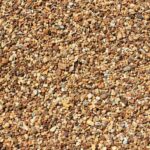
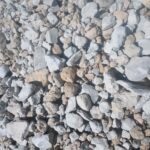
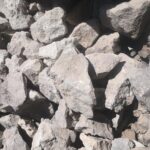
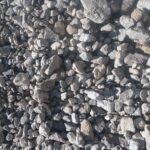
Not sure how much you'll need? Use our calculator!
Specializing in small load delivery in Tallahassee, FL and surrounding areas, Britt’s Dump Truck Service is proud to serve our residential and commercial clients in the area with excellent landscape supplies including mulch, rock, soil, sand and compost. When it comes to our landscaping supplies and dump truck service, quality is our top priority. We do not just provide the one-size-fits-all products to every one of our customers. We discuss your requirements with you in details to ensure you get exactly what you need. Celebrating 25 years of service, we are easily the best company for all of your residential landscaping supplies and delivery services in the area.
Rock, dirt, mulch, sand & more — delivered by the ton or yard. Serving Leon, Gadsden & Wakulla Counties for 25+ years.
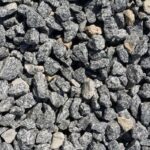
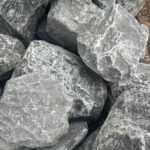
Large 1.5"-2.5" crushed granite for drainage, driveways & decorative use.
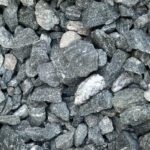
3/4" crushed granite — the most versatile size for driveways and drainage.
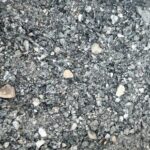
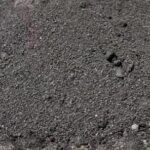
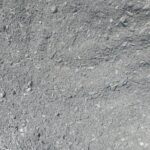
Screenings that pack nearly as hard as asphalt. Perfect under pavers & flagstone.
Large irregular granite pieces sold by the pound. Heavy-duty erosion control.
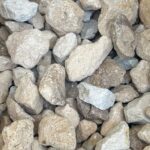
Coarse limerock for base layers and heavy-duty driveway construction.
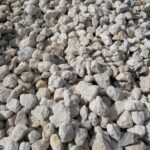
Florida's most common 3/4" base and drainage material. FDOT spec.
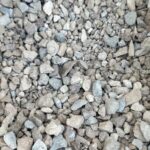
Fine 3/8" limerock chips for driveway topping and filling small gaps.
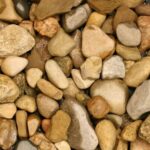
Smooth rounded river stones for drainage beds, dog runs, and garden borders.
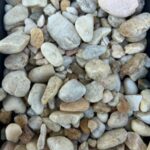
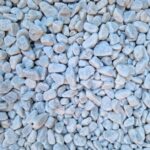
Light, bright river stones for a clean, modern decorative look in beds and borders.
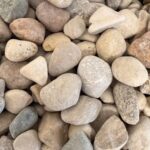
Big smooth river stones for dry creek beds, water features & decorative areas.
Blue-grey smooth stone. One of our most popular decorative stones.
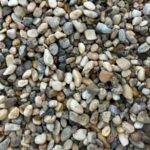
Small rounded pebbles — great for patios, playgrounds, driveways & pool decks.
Heavy angular rock for erosion control on slopes, ponds & drainage swales.
FDOT Type I spec — heavy duty erosion control for ponds & major drainage.
FDOT Type III — residential pond banks, ditches & road shoulder stabilization.
Compactable blend for stable driveway, parking area & access road bases.
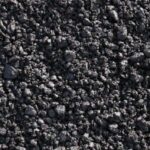
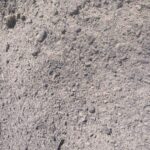
Recycled asphalt screenings. Self-binding, affordable driveway & parking surface.
Fresh hot-mix asphalt for paving driveways & patching. Call for availability.
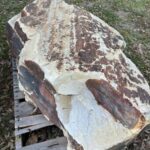
Natural boulders in multiple colors & sizes. Call to discuss what's in stock.
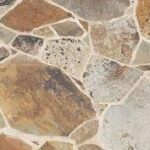
Flat natural stone slabs for patios, walkways & stepping stones. Multiple colors.
Bright white polished marble for a clean, high-contrast landscape look.
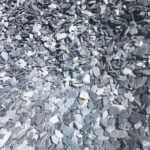
Dark angular slate chips for bold, modern landscape contrast.
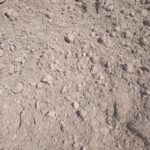
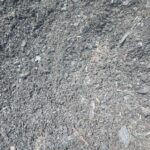
Basic unscreened dirt for filling low spots, raising grades & site prep.
Blended mix for leveling lawns, filling low spots & overseeding prep.
Premium enriched soil for raised garden beds, vegetables & flower gardens.
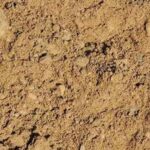
Natural sandy clay for structural fill, berm building & base applications.
Fine washed sand for mortar, paver setting beds, block laying & sandboxes.
Classic shredded hardwood. Natural color, weed-suppressing, moisture-retaining.
Grade-A natural cypress. Rot-resistant, insect-repellent & long-lasting.
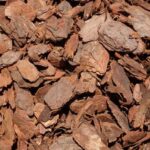
Chunky pine bark nuggets. Stays in place on slopes, slow to decompose.
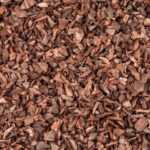
Small pine bark nuggets for tight foundation beds and manicured areas.
Our staff is friendly, welcoming and loves to hear from you to understand your specific sand or granite needs. Give us a call today for an on-time delivery. We look forward to working with you.
Check out our sister company, AAA Tree Experts — a top-rated tree service serving Tallahassee and surrounding areas. From certified arborist consultations to safe, professional tree removal, their highly trained crews use the latest technology to deliver fast, reliable results with a focus on customer satisfaction.
Britt’s Dump Truck Service 2026.
Images provided on this website are for personal, non-commercial use. Republication, retransmission, or reproduction of such images is strictly prohibited.
Rock - Sold by the ton
$125/ton
Granite #4 is a coarse crushed granite ranging from 1.5 to 2.5 inches in size. Its angular, interlocking shape makes it excellent for surface drainage and decorative applications in Tallahassee yards. Because granite does not break down easily, it maintains its appearance and function for years.
Driveway Topping, Drainage beds, Decorative borders, Erosion control, and Landscape accent areas.
What is the difference between Granite #4 and Granite #57?
Granite #4 is a coarse crushed granite ranging from 1.5 to 2.5 inches in size. Its angular, interlocking shape makes it excellent for surface drainage and decorative applications in Tallahassee yards. Because granite does not break down easily, it maintains its appearance and function for years.
Does Granite #4 compact well for driveways?
Not as tightly as #57 or road base — its larger size means more void space. It works well as a top dressing over a compacted base.
How much Granite #4 do I need?
About 1.5 tons per 100 sq ft at 2-inch depth. Call us for a project estimate.
Rock - Sold by the ton
$125/ton
Granite #57 is the most commonly requested crushed granite size — approximately 3/4 inch. It drains well, resists compaction under vehicle traffic, and works in concrete mixes and drainage applications. Its grey tone complements most landscape styles in the Tallahassee area.
Driveways & parking areas, Drainage beds & French drains, Concrete aggregate, Under decks/sheds, and Walkways
What does #57 mean in granite sizing?
ASTM standard #57 refers to stones mostly 3/4″ average — a widely used engineering specification for drainage and base applications.
Is Granite #57 good for a French drain?
Yes — one of the most popular choices. Its size allows water to pass through quickly while staying in place.
How many tons do I need per square foot?
At 2-inch depth, approximately 1 ton covers 80-100 square feet. Call us to confirm for your project.
Rock - Sold by the ton
$125/ton
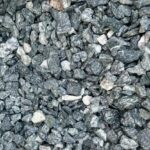
Granite #89 is a finer 3/8-inch crushed granite chip used for walkways, between stepping stones, paver base layers, and as a clean top dressing. Its smaller size fills gaps well and has a refined, finished appearance.
Patio & paver base, Walkways between stepping stones, Top dressing, Dog runs, and Plant bed coverage
Can I use Granite #89 under pavers?
Yes — often used as a setting bed under pavers and stepping stones. Many contractors combine #89 with masonry sand for the ideal paver base.
Is Granite #89 good for a dog run?
It is a popular choice — smaller size is easier on paws, drains quickly, and resists odor buildup compared to mulch or dirt.
Rock - Sold by the ton
$100/ton
Granite Fines (W10 or granite screenings) are crushed dust and tiny particles from granite processing. They bind together tightly when compacted and wet, making an extremely firm, stable base — often used under pavers, flagstone, or compacted path surfaces.
Paver & flagstone base, Compacted pathway surfaces, Under artificial turf, Sports court base, and Driveway topping (packs hard)
What is the difference between Granite Fines and crushed granite?
Granite Fines are the smallest particles — mostly dust — sieved out from crushed granite. They compact nearly as hard as asphalt when properly installed.
Will granite fines wash away in heavy rain?
They can displace on sloped surfaces without edging. On flat areas with proper borders, they hold well.
Rock - Sold by the ton
$0.25/lb
Granite Rip Rap refers to large, irregular granite stones sold individually by the pound. Used for heavy-duty erosion control along pond edges, drainage ditches, creek banks, and sloped embankments. Granite is harder and more durable than limerock alternatives.
Pond & shoreline erosion control, Drainage channel lining, Slope stabilization, Large decorative boulders, and Retaining wall anchors
What size are granite rip rap pieces?
Sizes vary from several inches to over a foot in diameter. Sold individually by the pound — call to discuss sizes in stock.
When should I use granite vs limerock rip rap?
Granite is harder and longer-lasting in wet conditions. Limerock rip rap is more economical for lighter erosion control and low-flow applications.
Rock - Sold by the ton
$125/ton
Lime Rock #4 is a coarse-grade crushed limerock ranging from about 1 to 2.5 inches. Its larger, angular pieces make it well suited for drainage and erosion control applications where water needs to move through freely while the stone stays in place.
Drainage fill, Erosion control, Retention pond base, French drains, and Ditch lining
What is Lime Rock #4 used for?
Lime Rock #4 is primarily used for drainage and erosion control rather than as a driveway surface. Its coarse, open structure lets water pass through quickly while resisting displacement.
Is Lime Rock #4 the same as road base?
No — Lime Rock #4 is a coarser, more open drainage stone. Road base is a finer, compactable blend designed specifically for driveway and parking surfaces.
Rock - Sold by the ton
$110/ton
Lime Rock #57 is the most widely used construction aggregate in Florida — a 3/4-inch crushed limerock that compacts well, drains efficiently, and meets FDOT specifications. The everyday go-to for driveways, drainage beds, fill, and base layers across Tallahassee.
Driveway base & surface, French drains, Pipe trench backfill, Under slabs & foundations, and Parking lot base
Is Lime Rock #57 FDOT approved?
Yes — Florida-sourced #57 limerock meets FDOT specifications and is commonly specified for road base, drainage, and construction throughout the state.
How much limerock do I need for a driveway?
Plan on approximately 1.5 tons per 100 sq ft at 3-inch depth. For a base layer at 4-6 inches, closer to 2-3 tons per 100 sq ft.
Rock - Sold by the ton
$110/ton
Lime Rock #89 is a finer 3/8-inch crushed limerock chip used for topping driveways, filling gaps between larger stone, surface treatment on paths, and as a cost-effective small-stone option for light drainage.
Driveway topping layer, Fill between stepping stones, Light drainage coverage, Path surface, and Budget-friendly small stone
Can I use Lime Rock #89 as a top layer on my driveway?
Yes — a popular finishing layer over a compacted #4 or #57 base. The finer size creates a smoother driving surface.
What is the difference between #57 and #89?
#57 is larger (3/4″) and better for drainage and base work. #89 is finer (3/8″) and better suited for surface applications.
Rock - Sold by the ton
$175/ton
River Rock #57 is a smooth, naturally rounded river stone in the 3/4 to 1-inch range. Unlike crushed rock, river rock has a polished look from natural water erosion. Used for drainage, decorative landscape beds, borders, and dog runs where appearance matters.
Decorative landscape beds, Drainage channels, Dog runs, Garden borders, and Around downspouts & gutters
What is river rock used for in landscaping?
River rock is used as a low-maintenance, weed-suppressing ground cover in planting beds, along drainage paths, around pool areas, and as decorative edging. It does not decompose like mulch.
Does river rock help with drainage?
Yes — smooth round river rock allows water to move through it quickly, making it popular for French drains, dry creek beds, and areas prone to pooling.
Rock - Sold by the ton
$175/ton
White River Rock #57 is a smooth, naturally rounded river stone in a light, bright color palette. It offers the same drainage and weed-suppressing benefits as standard river rock while giving landscape beds and borders a clean, modern, high-contrast look.
Modern landscape beds, Decorative borders, Around pool areas, Drainage channels, and Accent areas against dark mulch
How is White River Rock different from standard River Rock #57?
Both are the same 3/4\”-1\” smooth river stone size and offer the same drainage benefits. The difference is purely color — white river rock gives a brighter, more contemporary look, while standard river rock has natural tan and brown tones.
Does white river rock get dirty over time?
Like other light-colored stone, it can show debris and organic matter more than darker stone, especially under trees. Occasional rinsing keeps it looking bright in open, sunny areas.
Rock - Sold by the ton
$235/ton
Large River Rock features smooth, rounded stones ranging from 1 to 5 inches that make a bold decorative statement. Ideal for dry creek beds, accent areas, water features, and landscape borders where you want a natural, high-end look.
Dry creek beds, Water feature surrounds, Decorative yard accents, Large planting bed coverage, and Retaining area borders
How do I build a dry creek bed with large river rock?
Excavate 4-6 inches deep, lay landscape fabric, place smaller river rock first, then top with larger stones. Call us for material estimates.
Is large river rock good for erosion control?
Yes — it is heavy enough to stay in place in most residential drainage situations and attractive enough for visible areas.
Rock - Sold by the ton
$225/ton
Smokey River Rock is a distinctive blue-grey smooth stone in the 1-to-2-inch range. Its cool, muted tone pairs beautifully with modern and contemporary landscaping. One of our most requested decorative stones for high-end residential projects in Tallahassee.
Modern landscape design, Planting beds, Courtyard accents, Dry creek features, and Pool surrounds
What makes Smokey River Rock different from standard river rock?
The smokey blue-grey color comes from its unique mineral composition. It has a cooler, more sophisticated tone compared to the tan and brown hues of standard river rock.
Will the grey color fade over time?
The natural color is stable. It may appear lighter when dry and darker when wet — a natural characteristic of the stone.
Rock - Sold by the ton
$170/ton
Pea Gravel is a small, naturally rounded stone ranging from 3/8 to 1/2 inch. Its smooth surface is comfortable underfoot and safe for children and pets. Widely used for patios, driveways, playgrounds, and around pools.
Patios & outdoor seating, Children’s play areas, Pool surrounds, Dog runs, and Driveway topping
Is pea gravel good for a patio?
Yes — pea gravel is a popular, affordable patio surface. It stays cool underfoot, drains well, and looks clean. Use edging to keep it contained.
How deep should pea gravel be for a driveway?
A 2-4 inch depth is standard. Placing it over a compacted limerock base improves stability significantly.
How much pea gravel do I need?
At 2 inches deep, 1 ton covers approximately 80-100 square feet. Call us for a delivery estimate.
Rock - Sold by the ton
$120/ton
Oversize Rip Rap is a heavy, angular 2-to-6-inch crushed stone used for erosion control and slope stabilization. Its weight and irregular shape interlock to resist displacement by water flow. Used on pond banks, drainage swales, and road shoulders.
Pond bank erosion control, Drainage swale lining, Roadside slope protection, Stream bank stabilization, Ditch armoring
What is rip rap used for?
Rip rap armors exposed soil surfaces against erosion caused by water runoff, waves, or channel flow. It is the standard solution for pond edges, drainage channels, and sloped embankments.
How much rip rap do I need for a pond edge?
A standard application is 12-18 inches thick along the bank edge. Call us to discuss your project dimensions.
Rock - Sold by the ton
$130/ton
Type I Limerock Rip Rap consists of very large 10-to-14-inch limerock pieces meeting FDOT Type I specifications. Used for heavy-duty erosion control on ponds, retention basins, and high-flow waterways where smaller stone would displace.
FDOT-spec erosion control, Stormwater pond banks, Major drainage channel lining, Retention basin edges, and Commercial site work
What does Type I mean for limerock rip rap?
Type I is an FDOT specification for rip rap sized at roughly 10-14 inches, specified for high-velocity water applications.
How is Type I different from Type III rip rap?
Type I (10″-14″) is larger and used for higher water flow. Type III (5″-8″) handles moderate erosion and is more common for residential drainage.
Rock - Sold by the ton
$130/ton
Type III Limerock Rip Rap is a medium-grade erosion control stone sized from 5 to 8 inches, meeting FDOT Type III specifications. Widely used for residential pond banks, drainage channels, and road shoulder stabilization throughout Leon, Gadsden, and Wakulla Counties.
Residential pond banks, Drainage ditch lining, Road shoulder stabilization, Moderate erosion control, and Stormwater management
Is Type III rip rap suitable for a residential pond?
Yes — Type III (5″-8″) is the most common rip rap specification for residential ponds in the Tallahassee area. Heavy enough to stay through normal storm events.
Do I need fabric under rip rap?
A geotextile fabric is strongly recommended to prevent fine soils from migrating through the stone over time, which can cause sinking and failure.
Rock - Sold by the ton
$65/ton
Road Base is a compactable blend of crushed stone and fines that creates a stable, load-bearing surface. The most affordable base material for driveways, parking areas, and unpaved access roads. When compacted, it creates a firm, weather-resistant surface that minimizes ruts and puddles.
Driveway base layer, Parking lot base, Access road construction, Utility trench backfill, and Gravel road surface
What is the difference between road base and limerock?
Road base is a blended mix that includes binding fines specifically designed to compact hard. Pure limerock #57 drains better but does not lock together as tightly.
How many inches of road base do I need?
A minimum of 4 to 6 inches compacted for residential driveways. Higher-traffic areas may require 6 to 8 inches.
Rock - Sold by the ton
$75/ton
Asphalt millings are recycled asphalt pavement ground into small pieces during road resurfacing. An economical alternative to fresh asphalt for driveways and parking areas. When compacted and exposed to heat, the residual binders re-bind, creating a firm, semi-permanent surface.
Budget driveway surfacing, Parking lot surfacing, Pothole patching, Low-traffic road surface, and Gravel path alternative
Are asphalt millings good for a driveway?
Yes — one of the most affordable driveway surfaces available. They compact firmly and heat activates old binding agents, reducing displacement over time.
How deep should asphalt millings be?
A 3 to 4-inch compacted layer is typical. Apply in two lifts and compact each for best results.
Will weeds grow through asphalt millings?
Fewer weeds grow through well-compacted millings vs loose gravel. A base layer of road base before millings further reduces weed growth.
Rock - Sold by the ton
Call for pricing
Hot mix asphalt is freshly produced asphalt concrete delivered hot and ready to place. Used for paving driveways, patching deteriorated asphalt, and surfacing access roads. Must be placed and compacted quickly after delivery — call ahead to confirm availability.
Driveway Topping, Drainage beds, Decorative borders, Erosion control, and Landscape accent areas.
How is hot mix different from asphalt millings?
Hot mix is freshly manufactured asphalt that creates a smooth, professional finished surface. Millings are recycled and create a rougher, more economical surface.
Can I order hot mix for a small job?
Yes — call (850) 933-5148 to discuss quantity and availability. Hot mix has a limited working window so scheduling is important.
Rock - Sold by the ton
$0.45/lb
Britt’s carries a selection of decorative rocks and natural boulders in multiple colors and sizes. Used as focal points in landscaping, retaining wall accents, garden anchors, and large-scale decorative features. Call to discuss what is currently in stock.
Landscape focal points, Garden accents, Retaining wall features, Natural yard art, and Entryway markers
What colors of boulders do you carry?
Our selection varies but typically includes natural grey, tan, rust, and mixed-tone options. Call (850) 933-5148 to find out what is in stock today.
How do you deliver boulders?
Boulders are delivered by dump truck. Our smaller trucks can access most residential driveways without causing damage.
Are boulders sold by the pound or by the piece?
Decorative rocks and boulders are priced at $0.45/lb. We can give you an estimated weight to help with budgeting — just call us.
Rock - Sold by the ton
$0.75/lb
Flagstone is a flat natural stone sold by the pound, available in several colors. The preferred material for patios, walkways, stepping stones, and pool decks where a natural, earthy aesthetic is desired. Each piece is unique in shape, giving finished projects a handcrafted look.
Patios & outdoor living areas, Natural walkways, Stepping stones, Pool deck surrounds, and Garden path edging
What colors of flagstone do you carry?
We stock flagstone in several colors including natural grey, buff/tan, and red-brown tones. Availability changes — call us before ordering.
How thick should flagstone be for a patio?
A minimum of 1.5 inches thick for patios under foot traffic. Thicker pieces (2″+) are more durable and less prone to cracking.
How much flagstone do I need?
Flagstone covers approximately 80-100 sq ft per ton at standard thickness. Call us for a project estimate.
Rock - Sold by the ton
$225/ton
White Marble Chips are polished bright-white marble fragments used as a premium decorative ground cover. They create a clean, crisp contrast against dark mulch borders, green plants, and dark hardscaping. Popular for formal gardens, entryways, and modern landscape designs.
Driveway Topping, Drainage beds, Decorative borders, Erosion control, and Landscape accent areas.
Do white marble chips get dirty over time?
They can accumulate debris from trees, so they require occasional rinsing in heavily wooded yards. Best suited for open areas with minimal leaf fall.
Are white marble chips good for flower beds?
They work well for decorative beds but can reflect heat that stresses some plants in Florida’s summer. Best paired with heat-tolerant plants.
How much white marble do I need?
At 2-inch depth, approximately 1 ton covers 80-100 square feet. Call us to estimate your project.
Rock - Sold by the ton
$225/ton
Black Slate Chips are angular, dark-toned slate fragments that deliver a bold, modern contrast in landscape design. Their sharp edges and deep color make them popular for contemporary gardens, commercial properties, and accent beds where a polished, upscale look is desired.
Modern landscape design, Commercial property landscaping, Planting bed accent, Japanese garden style, and High-contrast decorative areas
Do black slate chips fade over time?
Some lightening can occur with prolonged sun exposure, but black slate retains its dark character much longer than dyed mulch. Wetting brings the color back near-original.
How do black slate chips compare to river rock?
Black slate has sharp, angular edges vs the smooth rounded surface of river rock. Slate gives a more refined, architectural look while river rock has a more natural, organic feel.
Dirt - Sold by the Cubic Yard
$37/yard
Fill Dirt is unscreened native soil used for raising grades, filling in low spots, and building up land for construction. It contains no organic matter or nutrients — it is a structural material designed to move and stabilize large volumes of earth affordably.
Filling low spots & depressions, Raising yard grade, Building berms, Construction site fill, and Under concrete slabs
What is the difference between fill dirt and topsoil?
Fill dirt is subsoil with no organic matter — used for structural fill and grade adjustment, not growing. Topsoil contains organic matter and nutrients for lawn and planting applications.
How many cubic yards of fill dirt do I need?
To fill a 10 ft x 10 ft x 1 ft depression, you need approximately 3.7 cubic yards. Call us with your dimensions and we will calculate the delivery quantity.
Will grass grow on fill dirt?
Not well on its own. Fill dirt should be covered with 4-6 inches of topsoil or lawn dressing before seeding or sodding.
Dirt - Sold by the Cubic Yard
$40/yard
Topsoil is the upper layer of screened native soil, richer in organic matter and nutrients than fill dirt. Used for lawn establishment, garden beds, and landscaping projects where plants need to establish roots. A quality topsoil layer is the foundation of a healthy yard.
Lawn establishment & overseeding, Garden bed preparation, Raising planting areas, Sod installation prep, and Tree and shrub planting areas
How deep should topsoil be for a lawn?
A minimum of 4 inches is recommended for grass establishment. For gardens and raised beds, 6 to 12 inches provides the best results.
What is the difference between topsoil and garden blend?
Topsoil is screened native soil with natural organic content. Garden Blend is an enriched mix with additional amendments better suited for vegetable gardens and flower beds.
Dirt - Sold by the Cubic Yard
$45/yard
Lawn Dressing is a balanced blend of topsoil and fill dirt — more affordable than pure topsoil but with enough organic content to support grass growth. The go-to product for leveling lawns, filling low spots in existing turf, and prepping areas for overseeding.
Lawn leveling, Low spot filling, Overseeding preparation, Yard renovation, and Settling area fill
When should I use lawn dressing instead of topsoil?
Use lawn dressing when leveling an existing lawn or filling shallow depressions where you plan to grow grass. For new lawn installations or garden beds, pure topsoil or garden blend is the better choice.
How do I apply lawn dressing to level my yard?
Spread a 1/4 to 1/2 inch layer over low areas, rake smooth, then water in. For depressions deeper than 3 inches, fill with fill dirt first, then top with lawn dressing.
Dirt - Sold by the Cubic Yard
$85/yard
Garden Blend is a premium, nutrient-enriched soil blend designed for raised garden beds, vegetable gardens, and flower beds. Formulated to drain well while retaining enough moisture and nutrients for productive growing.
Raised garden beds, Vegetable & herb gardens, Flower beds, Container garden top-off, and High-yield planting areas
What is in garden blend soil?
Garden blend typically includes screened topsoil, compost, and organic amendments designed for strong plant establishment in North Florida’s climate.
How deep should garden blend be in a raised bed?
A minimum of 12 inches is ideal for most vegetables. Root vegetables like carrots benefit from 18 inches or more of quality growing medium.
Dirt - Sold by the Cubic Yard
$125/ton
Sandy Clay is a natural soil blend with both sand and clay content used for structural fill applications where you need a material that compacts firmly and holds its shape — such as building berms, filling behind retaining walls, and creating stable base layers.
Berm construction, Retaining wall backfill, Structural fill, Low-lying area elevation, and Pond berm material
Is sandy clay good for fill?
Yes — sandy clay offers a good balance of stability and workability. It compacts well and holds grades without excessive settling.
Can I grow grass on sandy clay?
Grass can grow on sandy clay but is not ideal without amendments. Top with 4-6 inches of topsoil or lawn dressing for best results.
Dirt - Sold by the Cubic Yard
$50/yard
Masonry Sand is a fine, clean-washed sand used in mortar mixing, block laying, paver installation, and sandbox fill. Its consistent particle size makes it ideal for precision applications in masonry and hardscaping.
Driveway Topping, Drainage beds, Decorative borders, Erosion control, and Landscape accent areas.
What is masonry sand used for?
Masonry sand is used to mix mortar for laying brick, block, and stone, and as a setting bed for pavers and flagstone. Its fine, uniform texture makes it workable and precise.
Is masonry sand safe for a sandbox?
Yes — washed masonry sand is clean and fine enough to be safe and comfortable for children’s sandboxes.
Mulch - Sold by the Cubic Yard
$47/yard
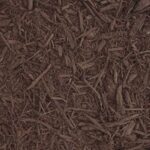
Brown Mulch is a shredded hardwood mulch with a natural brown color that blends seamlessly with most landscape settings. It suppresses weeds, retains soil moisture, regulates root temperature, and decomposes over time to improve soil quality.
Planting beds, Tree rings, Foundation plantings, Shrub beds, and Garden pathways
How often should I replace brown mulch?
Most mulch needs refreshing every 1-2 years. Adding a thin 1-inch top layer annually keeps beds looking fresh without a full replacement.
How deep should mulch be in planting beds?
Apply 2-3 inches deep. Keep mulch pulled back 2-3 inches from plant stems and tree trunks.
How much mulch do I need?
One cubic yard covers approximately 100 square feet at 3 inches deep. Divide your bed area by 100 to get the number of yards needed.
Mulch - Sold by the Cubic Yard
$47/yard
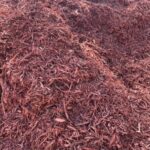
Red Mulch is shredded hardwood dyed with a rich red color for bold visual impact. The iron oxide-based dye is safe for plants. Red mulch creates strong contrast against green foliage and dark soil, giving planting beds a sharp, well-maintained appearance.
High-visibility planting beds, Foundation plantings, Commercial curb appeal, Contrast landscaping, and Front yard beds
How long does red mulch keep its color?
Dyed mulch typically holds color for 6-12 months before fading. A fresh top layer each spring keeps beds vibrant.
Is the red dye in mulch safe for plants and pets?
Yes — quality dyed mulch uses non-toxic iron oxide or carbon-based colorants that are safe for plants, pets, and humans.
Mulch - Sold by the Cubic Yard
$47/yard
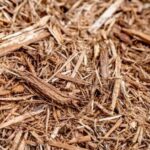
Grade-A Natural Cypress Mulch is a premium mulch produced from cypress wood. It naturally resists rot, repels insects, and lasts longer than standard hardwood mulch. Its light tan color and fine texture give a clean, refined appearance especially suited to Florida’s humid climate.
All planting beds, Florida-friendly landscaping, Around tropical plants, High-humidity garden areas, and Long-lasting bed coverage
How is cypress mulch different from regular hardwood mulch?
Cypress contains natural oils that resist decomposition, repel termites and other insects, and slow moisture evaporation. It typically lasts 1-2 years longer than standard hardwood mulch.
Does cypress mulch attract termites?
No — cypress’s natural oils make it unattractive to termites and other wood-boring insects, which is one reason it is highly recommended in Florida.
Mulch - Sold by the Cubic Yard
$47/yard
Large Pine Bark Nuggets are chunky pieces of pine bark that provide a rustic, natural look in landscape beds. Their size resists washing away in heavy rain better than shredded mulch, making them practical for slopes and areas with drainage flow.
Sloped landscape beds, Large planting areas, Around trees & large shrubs, Rain-prone areas, and Rustic garden style
What is the difference between large and mini pine bark?
Large nuggets (1-3 inches) are best for open beds and slopes where size helps them stay in place. Mini nuggets are better for tighter planting areas and foundation beds.
Does pine bark mulch change soil pH?
Pine bark is slightly acidic and can gradually lower soil pH, benefiting acid-loving plants like azaleas, gardenias, and blueberries — all popular in North Florida landscapes.
Mulch - Sold by the Cubic Yard
$47/yard
Mini Pine Bark Nuggets are small-sized pine bark pieces that provide a neat, uniform appearance in planting beds. Their compact size fills in tightly around plant stems and along foundation edges, making them a popular choice for well-manicured residential landscaping.
Foundation plantings, Tight bed areas, Around small shrubs & perennials, Formal landscape beds, and Pathway surface
Are mini pine bark nuggets good for foundation plantings?
Yes — their smaller size fills tightly around the bases of shrubs and along foundation edges, giving a manicured look that is easy to maintain.
How often does mini pine bark need replacing?
Mini pine bark decomposes moderately slowly — expect to refresh beds every 1-2 years. A thin 1-inch top dressing annually extends the life of existing coverage.
